PQRS (Pre-stack Quantitative Reservoir Study) Workbench is an integrated geophysics and geomechanics platform that unites pre-stack elastic inversion, rock physics modeling, stress analysis, wellbore stability, and machine learning — all in a single, lightweight environment.
Most geophysics platforms stop at inversion and rock physics. We go further — connecting seismic data directly to drilling engineering decisions.
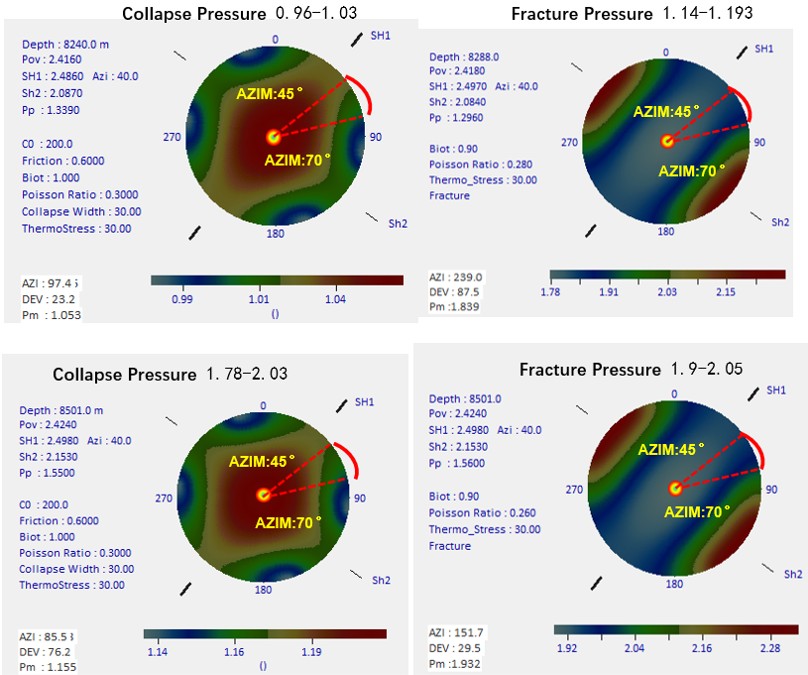
Predict collapse and fracture pressure with 3D geomechanical models. Optimize mud weight windows for safe and cost-effective drilling — a capability rarely found in seismic interpretation platforms.
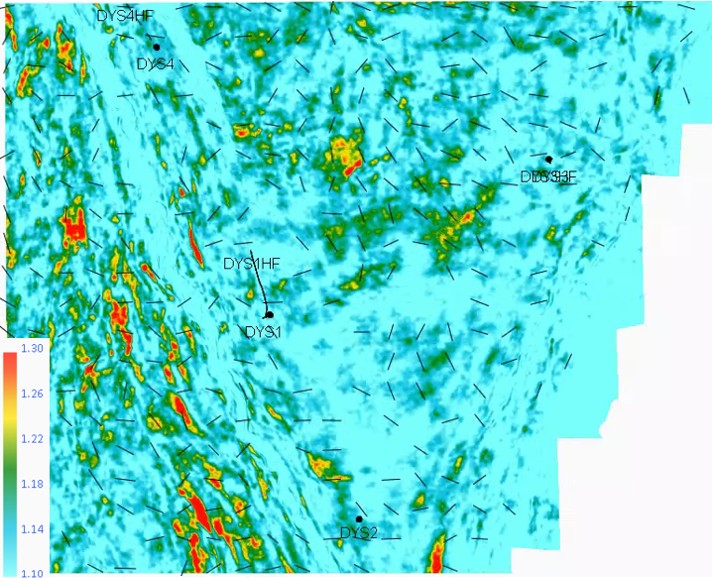
⭐ Unique StrengthQuantify fracture orientation and intensity using wide-azimuth OVT data with elliptical fits. Essential for unconventional reservoir characterization and hydraulic fracturing design.
⭐ Unique StrengthAssess fault slip tendency and fracture reactivation risk using stress polygon analysis. Critical for CO₂ sequestration, geothermal projects, and reservoir geomechanics.
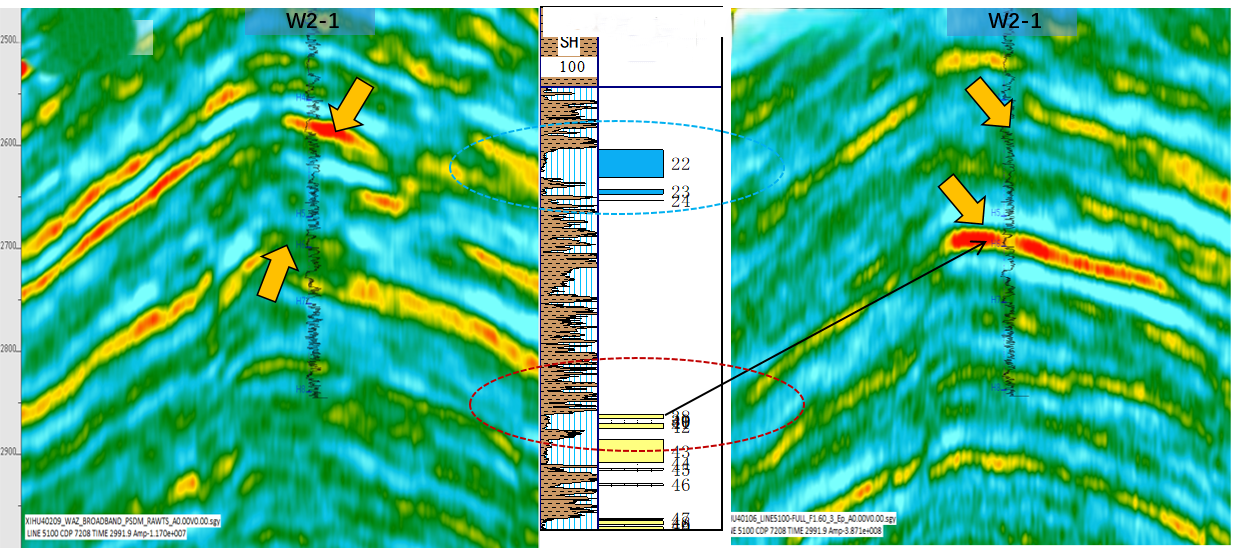
⭐ Unique StrengthMultiple inversion methods in one platform — AVO three-term, Aki,Fatti, Gray, Zong ,AVA simultaneous inversion. Compare results side by side to find the best fit.
Model hydraulic fracture propagation and direction turning under in-situ stress conditions using DDM (Displacement Discontinuity Method). Optimize perforation azimuth and stage design for maximum fracture network effectiveness.
⭐ Unique StrengthSVM, SOM, and PCA for well-seismic integration and reservoir property prediction. Train on well logs, predict on seismic volumes — no external ML tools needed.
From seismic data processing to drilling engineering — PQRS Workbench covers the full geoscience workflow.
AVO three-term,Aki, Fatti, Gray,Zong AVA/AVO simultaneous pre-stack inversion in Time/Depth domain.
DDM-based fracture propagation and direction turning simulation under in-situ stress conditions. Optimize perforation azimuth and stage design.
1D/2D/3D stress modeling, Shmin & SHmax prediction, pore pressure with Eaton/SVM methods.
Collapse & fracture pressure prediction, mud density window optimization, borehole breakout analysis.
OVT azimuthal anisotropy, fracture orientation, hydraulic fracture turning simulation & FSA analysis.
SVM supervised prediction, SOM clustering, PCA dimensionality reduction — well-seismic integration.
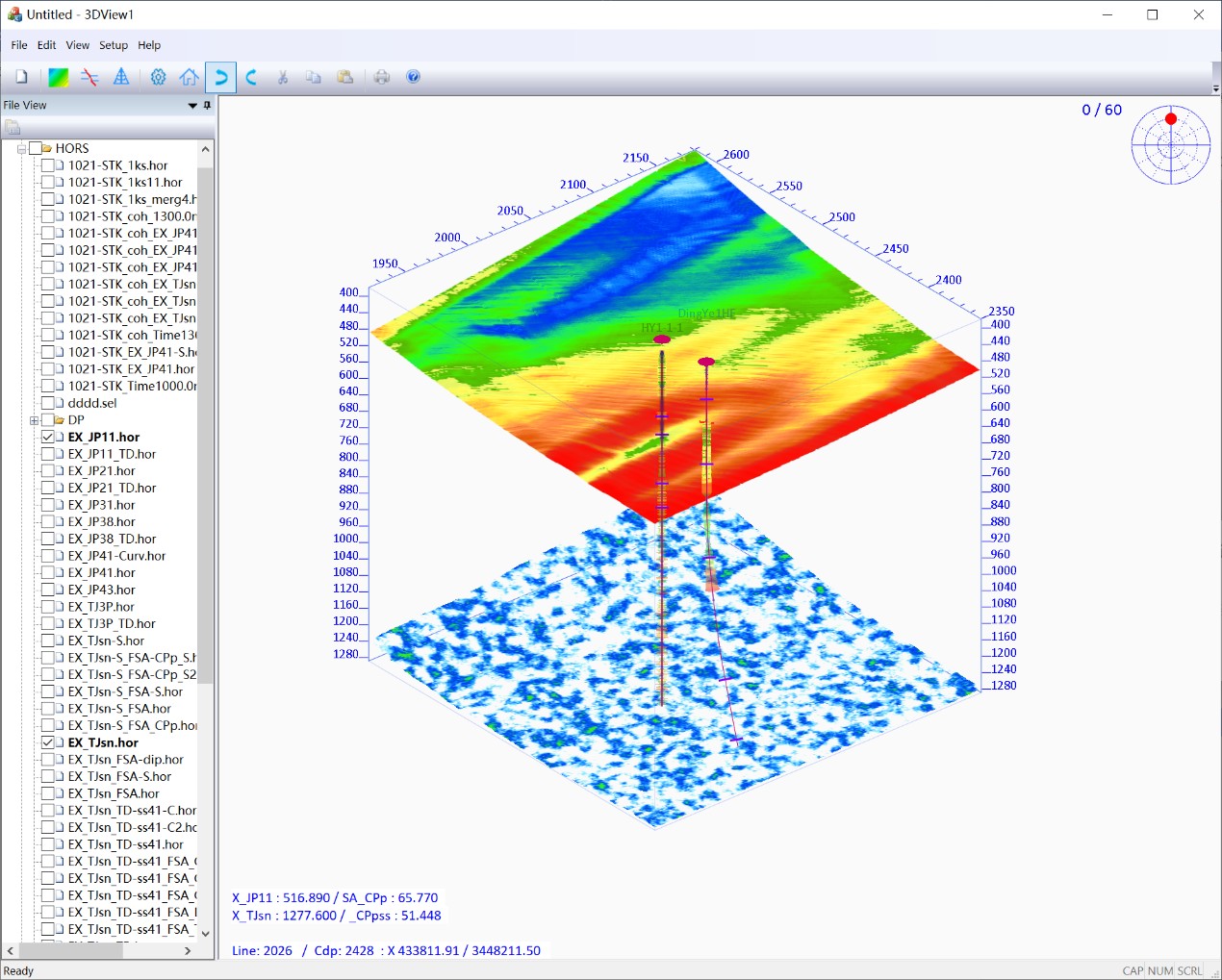
Main interface, profile view, map view, and 3D stereo display — all built into one seamless environment.
Unified workspace with project management, data tree, parameter panel, and multi-view layout.
In-line and cross-line sections with well ties, horizon overlays, and multi-volume comparison.
Time/depth slices, horizon slices, and attribute maps with contouring and colorbar controls.
True 3D volume rendering with geobodies, faults, well trajectories, and fence diagrams.
Multi-track well log viewer with 29+ standard curve types, crossplots, and histogram analysis.
Build complex stratigraphic and structural models interactively for forward modeling and inversion testing.
Trusted by major Chinese national oil companies for exploration, development, and drilling engineering projects.
3D geomechanical modeling reduced drilling risks and optimized mud density windows for a deep onshore exploration well.
OVT wide-azimuth anisotropy analysis identified sweet spots and optimal fracture orientations for hydraulic fracturing design.
Pre-stack elastic inversion and SVM machine learning predicted reservoir properties across a deepwater block with high accuracy.